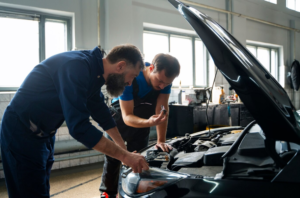
As a vehicle owner, understanding the basics of car bodywork repair is crucial. Whether you’ve been in an accident, your car has suffered weather damage, or you’re simply looking to restore your vehicle’s appearance, bodywork repair plays a vital role in maintaining your car’s value, safety, and aesthetics. Car bodywork repair encompasses a wide range of services designed to restore a vehicle’s exterior to its original condition. This can include anything from minor dent removal to major collision repair. As the owner of a reputable auto body shop, I’ve seen firsthand how proper repairs can breathe new life into damaged vehicles, and I’m here to share some insights that every car owner should know.
When is Car Bodywork Repair Required?
Car bodywork repair becomes necessary in various situations. Here are some common scenarios:
- Collision Damage: This is perhaps the most obvious reason for bodywork repair. Whether you’ve been in a minor fender bender or a more serious accident, professional repair is crucial to restore your vehicle’s structural integrity and appearance.
- Weather-Related Damage: Hail storms, fallen branches during windstorms, or even prolonged exposure to harsh sunlight can all necessitate bodywork repair. Hail damage, in particular, often requires specialized dent removal techniques.
- Parking Lot Dings and Dents: These minor damages may seem insignificant, but they can lead to rust and paint issues if left unaddressed. Quick repair can prevent more extensive (and expensive) work down the line.
- Rust Formation: If you notice rust spots on your vehicle, immediate attention is necessary. Rust can spread quickly, compromising your car’s structure if left unchecked.
- Paint Damage: Scratches, chips, and fading paint not only affect your car’s appearance but can also leave the metal underneath vulnerable to corrosion.
- Vandalism: Unfortunately, acts of vandalism like key scratches or intentional dents may require professional repair to fully restore your vehicle’s appearance.
- Age-Related Wear: Over time, your car’s bodywork may show signs of aging. Addressing these issues can help maintain your vehicle’s value and appearance.
- Upgrading Appearance: Sometimes, bodywork repair is sought for cosmetic reasons, such as changing the car’s color or adding custom body modifications.
Things to Know About Car Bodywork Repair That People Won’t Tell You
- It’s Not Always Quick: While minor repairs can be completed rapidly, more extensive damage can take days or even weeks to repair properly. Quality work takes time, especially when it comes to paint curing and ensuring structural integrity.
- The Cheapest Option Isn’t Always the Best: When it comes to bodywork repair, you often get what you pay for. Extremely low quotes might indicate the use of subpar materials or rushed work.
- Insurance Doesn’t Always Cover Everything: Your insurance policy may not cover all aspects of bodywork repair, especially if you opt for upgrades or additional work beyond the initial damage.
- Paint Matching Can Be Tricky: Even with advanced color-matching technology, achieving a perfect match with your car’s original paint can be challenging, especially for older vehicles or unique colors.
- Invisible Damage is Common: What looks like a minor dent on the surface could be hiding more significant structural damage underneath. This is why professional assessments are crucial.
- Repairs May Affect Resale Value: While professional repairs should maintain your car’s value, a history of significant bodywork can sometimes impact resale value, especially for luxury or collector vehicles.
- DIY Repairs Can Cost More in the Long Run: While it might be tempting to try and fix minor issues yourself, amateur repairs can often lead to more extensive (and expensive) professional work later.
- Environmental Factors Affect Repair Time: Humidity and temperature can significantly impact paint drying times and the effectiveness of certain repair techniques.
- Not All Shops Are Created Equal: The quality of work can vary dramatically between shops. Certifications and specializations matter, especially for high-end or newer vehicles.
- Rental Car Costs May Not Be Fully Covered: If your car needs extensive repairs, be prepared for the possibility that your insurance may not cover a rental car for the entire duration of the repair process.
- Aftermarket Parts vs. OEM Parts: There’s often a choice between using original equipment manufacturer (OEM) parts or aftermarket alternatives. Each has pros and cons in terms of cost, quality, and how they might affect your warranty.
- Supplemental Damage is Common: Once repairs begin, technicians may uncover additional damage not visible in the initial estimate. This can lead to increased costs and repair time.
Tips When Choosing a Car Bodywork Repair Shop
Selecting the right repair shop is crucial for ensuring quality work and peace of mind. Here are some tips to help you make the best choice:
- Check Certifications: Look for shops with industry-recognized certifications like I-CAR Gold Class or manufacturer-specific certifications. These indicate a commitment to ongoing training and quality standards.
- Read Reviews and Ask for Recommendations: Online reviews can provide insights into other customers’ experiences. Don’t hesitate to ask friends, family, or your local car community for recommendations.
- Inquire About Warranties: A reputable shop should offer warranties on their work. Ask about the terms and what’s covered.
- Visit the Shop: A clean, organized shop with modern equipment is a good indicator of professionalism and quality work.
- Ask About Their Process: A good shop should be able to explain their repair process clearly, including how they handle insurance claims if applicable.
- Get Multiple Estimates: While price shouldn’t be the only factor, getting multiple estimates can help you understand the fair market rate for the required repairs.
- Inquire About Parts: Ask whether the shop uses OEM, aftermarket, or reconditioned parts, and understand the implications of each.
- Check for Insurance Company Relationships: Some shops have direct relationships with insurance companies, which can streamline the claims process.
- Ask About Repair Timelines: While unexpected issues can arise, a reputable shop should be able to give you a reasonably accurate estimate of how long the repairs will take.
- Inquire About Paint Technology: For paint jobs, ask about the type of paint system used and whether they have a paint-matching system.
- Look for Specializations: Some shops specialize in certain makes or types of repairs. If you have a luxury or classic car, look for a shop with relevant experience.
- Ask About Post-Repair Inspections: A quality shop should perform thorough inspections after repairs are complete to ensure everything is up to standard.
- Understand Their Communication Process: Choose a shop that keeps you informed throughout the repair process and is responsive to your questions.
- Inquire About Advanced Repair Techniques: With modern vehicles incorporating more advanced materials and technology, ask if the car bodywork repair shopis equipped to handle repairs on newer models.
- Consider Location and Convenience: While quality should be the primary concern, also consider the shop’s location and whether they offer services like courtesy cars or pick-up/drop-off services.
In conclusion, car bodywork repair is a crucial aspect of vehicle maintenance that goes beyond mere aesthetics. It plays a vital role in ensuring your car’s safety, longevity, and value. By understanding when repairs are necessary, being aware of the less-discussed aspects of the repair process, and knowing how to choose the right repair shop, you can ensure that your vehicle receives the care it deserves. Remember, quality car bodywork repair is an investment in your vehicle’s future. Don’t cut corners when it comes to restoring your car’s appearance and structural integrity. With the right knowledge and a trusted repair shop, you can keep your vehicle looking and performing its best for years to come.