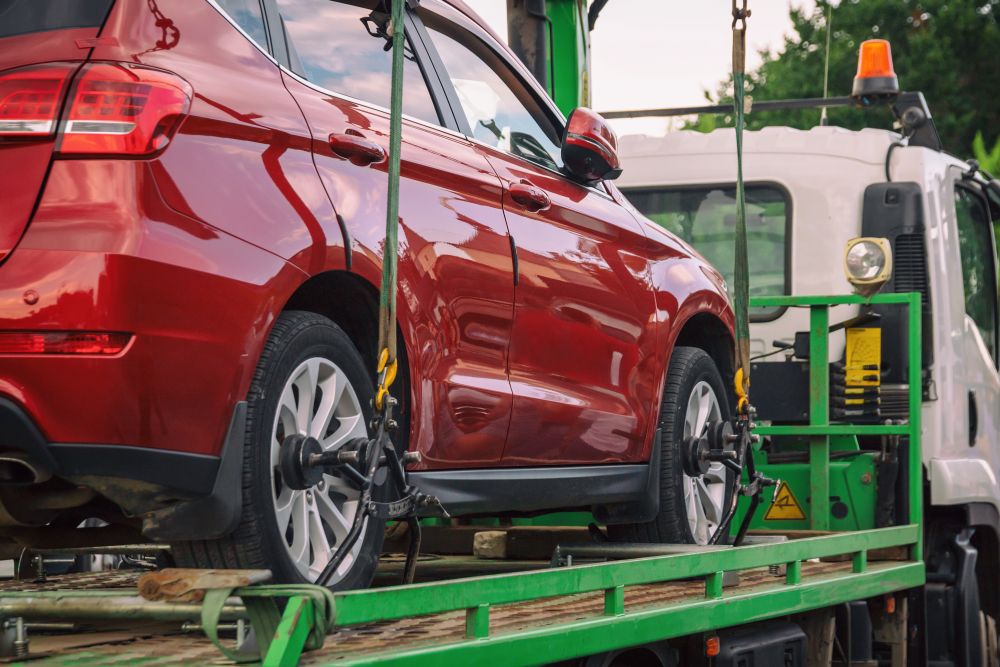
Many drivers assume towing is only for accidents severe enough to leave a car undriveable, but in practice most tow calls come from situations far less dramatic: a flat battery on a slope, a tyre that has shredded on the expressway, or an engine that simply will not restart after refuelling with the wrong grade. Knowing when self-recovery is reasonable and when it genuinely risks further damage is a judgement call every driver eventually faces, and having a reliable car towing services number saved in advance removes the guesswork when it happens.
Situations That Genuinely Call for a Tow
A car that will not start despite a working battery, one that overheats and stalls on the expressway shoulder, or one involved in a collision that has damaged the wheels or suspension are all situations where continuing to drive risks turning a repairable fault into a written-off vehicle. Grinding or scraping noises from underneath the car after hitting a kerb or pothole also fall into this category.
When a Jump Start or Roadside Fix Is Enough
A dead battery from lights left on overnight, a punctured tyre with a working spare, or fuel that has simply run low usually do not require a tow at all. These are quick roadside fixes that most breakdown services resolve on the spot, and calling for a tow unnecessarily just adds cost and waiting time to a problem that a jump pack or spare tyre change would solve in minutes. Many workshops now offer these small fixes as a standalone callout separate from full towing, which is worth asking about.
Why Driving on a Flat or Shredded Tyre Causes More Damage
Continuing even a short distance on a flat tyre can damage the wheel rim, and a shredded tyre at speed often takes wheel arch panels or brake lines with it. What looks like a simple tyre replacement can quickly become a suspension repair if the car is driven even a few hundred metres on a compromised wheel, which is exactly the scenario a tow is designed to prevent.
Engine and Transmission Warning Signs Not to Ignore
A burning smell, visible smoke from the bonnet, or a transmission that will not engage any gear are all signs that driving further risks compounding the damage significantly. Unlike a flat tyre, these symptoms often point to a fault already in progress, and pushing on for even a short distance can turn an affordable repair into a full replacement of the affected component.
What Happens During a Typical Tow Callout
A standard callout involves confirming the vehicle’s location, an estimated arrival window, and a quick phone assessment of the fault to determine whether a flatbed or a standard tow truck is required. Flatbeds are generally preferred for cars with drivetrain or brake issues, since towing with wheels on the ground can strain a transmission that is already compromised. Reliable 24-hour roadside recovery operators will ask these questions before dispatching anyone.
How to Stay Safe While Waiting for Recovery
Move the car onto the shoulder if it is safe to do so, switch on hazard lights, and exit through the passenger side away from moving traffic if stopped on an expressway. Standing behind the vehicle rather than beside it reduces risk considerably. A reflective triangle placed a reasonable distance behind the car gives approaching traffic enough warning to change lanes safely.
Questions to Ask Before Confirming a Tow
Confirm the callout fee, the per-kilometre rate beyond any included distance, and whether the price changes for night-time or public holiday callouts before agreeing to anything over the phone. Ask whether the destination workshop is included in the price or charged separately, since towing to a location outside the standard radius sometimes carries an additional charge that is easy to miss when arranging things quickly.
What Insurance Typically Covers and What It Does Not
Many comprehensive motor policies in Singapore include a limited number of complimentary tows per year, but coverage usually caps at a set distance or value, with anything beyond charged to the policyholder directly. It is worth checking the policy document rather than assuming full coverage, since accident-related tows and breakdown-related tows are sometimes treated differently by insurers.
Choosing Between a 24-Hour Service and a Standard Workshop Tow
A round-the-clock operator matters most outside office hours, when a standard workshop’s own recovery vehicle is unavailable and a breakdown at midnight would otherwise mean waiting until morning. Daytime breakdowns near a preferred workshop sometimes make more sense handled directly by that workshop’s own truck, since it skips the step of transferring the car between an independent tow operator and the garage afterwards.
Deciding Whether to Call for a Tow
As a general rule, if there is any doubt about whether continuing to drive could cause further damage, that doubt alone is reason enough to call rather than risk it. The modest cost of a tow is consistently smaller than the cost of a repair made worse by a few more kilometres of driving. Saving a trustworthy car towing services contact before it is needed makes that decision far less stressful in the momen